March 06, 2026 10:33
How to Travel with a Cat or Dog by Air: Safe Cabin and Hold Transport Guide

How to Travel with a Cat or Dog by Air: Safe Cabin and Hold Transport Guide

A practical guide to safe air travel with cats and dogs, including cabin rules, aircraft hold transport, choosing the right carrier or crate, airport security, feeding, water, and calm preparation before the flight.

March 06, 2026 00:14
Comment transporter un animal en avion : transport sécurisé des chats et des chiens en cabine et en soute

Comment transporter un animal en avion : transport sécurisé des chats et des chiens en cabine et en soute

Guide pratique complet sur le transport d’un chat ou d’un chien en avion : cabine ou soute, choix de la cage/du box, préparation (alèse, litière), contrôle de sécurité à l’aéroport, alimentation, eau et lavande pour réduire le stress.

March 05, 2026 23:44
Как перевозить питомца самолётом: безопасная перевозка кошек и собак (салон и багажный отсек)

Как перевозить питомца самолётом: безопасная перевозка кошек и собак (салон и багажный отсек)

Практический гайд по перевозке кошек и собак самолётом: как выбрать переноску и транспортный бокс, что делать в аэропорту, как снизить стресс питомца и избежать типичных ошибок.

March 04, 2026 17:22
Ветеринарное свидетельство формы №1: почему в справке F1 должен быть указан владелец питомца

Ветеринарное свидетельство формы №1: почему в справке F1 должен быть указан владелец питомца

Разбираем, как правильно оформляется ветеринарное свидетельство формы №1 (справка F1) при вывозе питомца. В документе должен быть указан владелец животного, а сопровождающее лицо действует на основании простой письменной доверенности. Ошибка в справк

February 23, 2026 16:31
UK Electronic Travel Authorisation (ETA) from 25 February 2026 — Travelling with a Pet? Avoid Delays

UK Electronic Travel Authorisation (ETA) from 25 February 2026 — Travelling with a Pet? Avoid Delays

UK ETA becomes mandatory from 25 February 2026 for many travellers without UK or Irish passports. If you travel with a cat or dog, check ETA in advance to avoid refusal to travel, delays, and disrupted veterinary timelines.

Will Border Control Accept Your Pet’s Documents?

Read more ...

Pet Health Certificate Requirements for UK, EU, UAE & USA

Read more ...

International Pet Transport: Avoid Border Problems Before You Travel

Read more ...

Pet Travel Rules Explained in Plain English (No Legal Confusion)

Read more ...

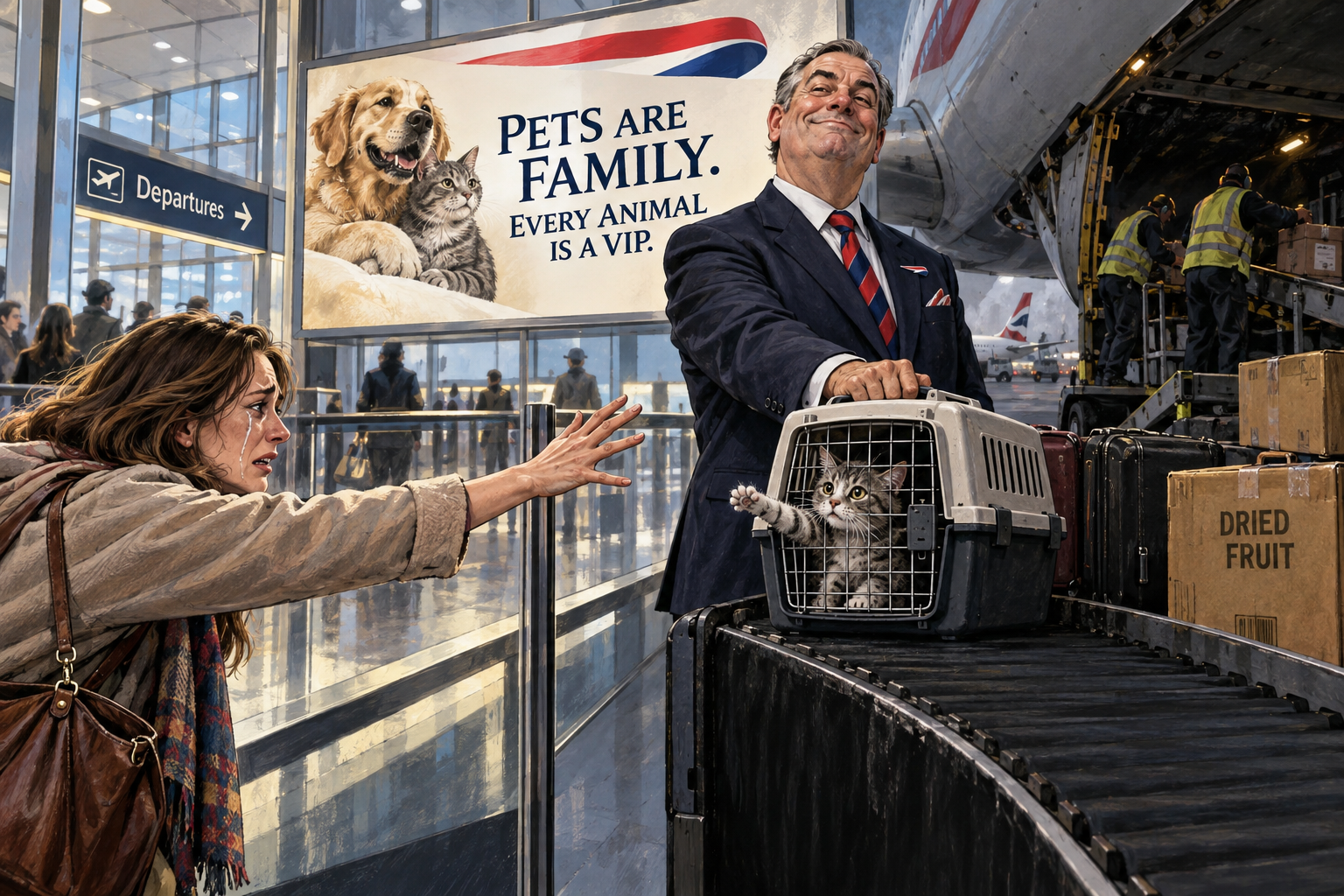
Pet Travel: Family Member or Cargo? Choose Wisely
Pet Transport Box
Animal Transport Box
Soft Animal Transport Box

How We Relocate Pets: With Heart, Not Cargo Tags

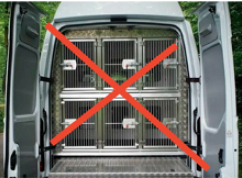
❓ Why don’t we use cargo vans or standard pet transport systems?

Because your pet isn’t freight.
At LISKO, we never stack animals in dark, noisy vans where they're alone and terrified. That’s not care — that’s cruelty under a schedule. And we refuse to be part of it.

✅ So how do we actually move your pet?

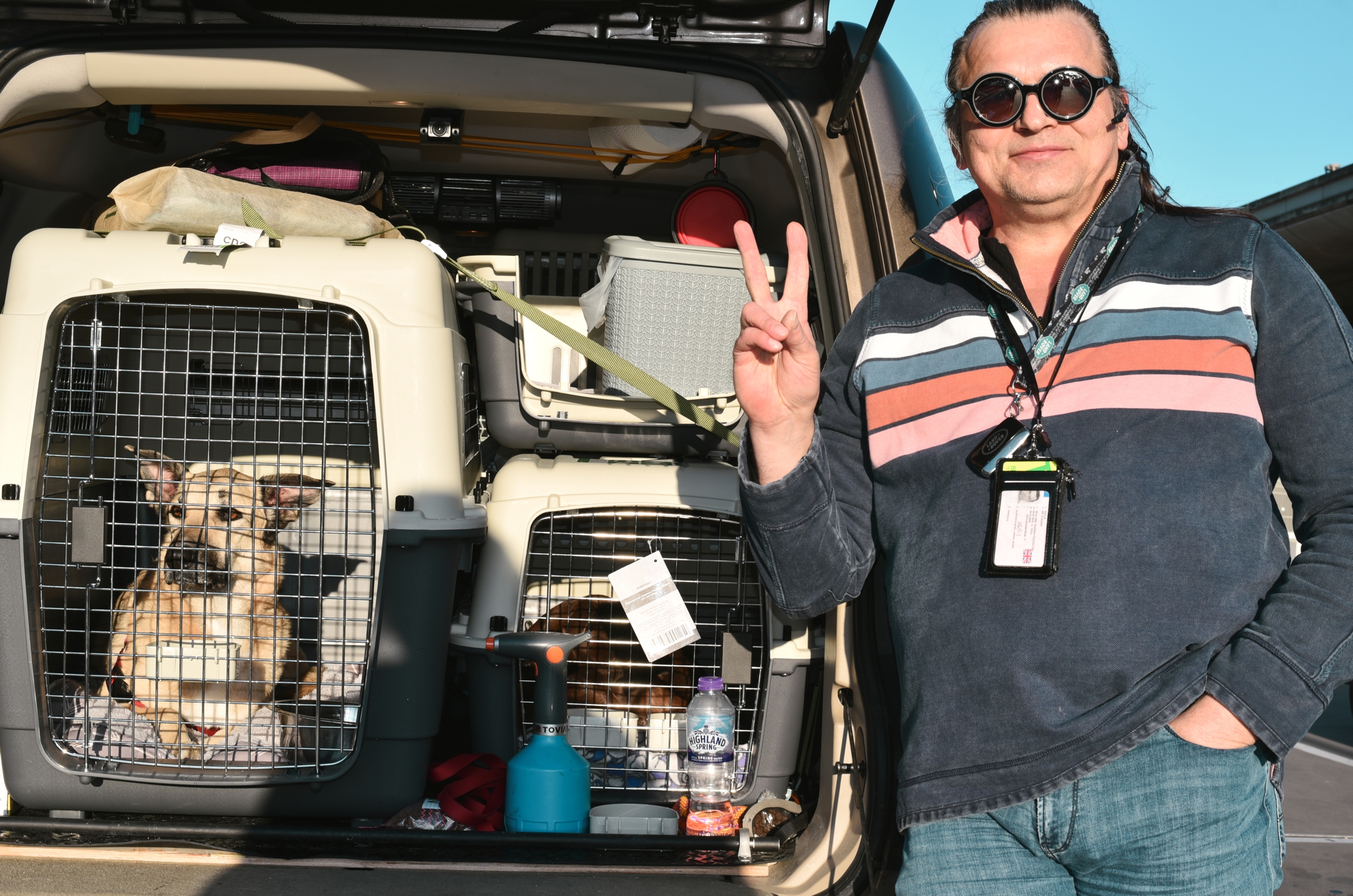
We use quiet, clean passenger cars. Your cat or dog travels with a trained companion — not a driver — who’s focused entirely on their well-being. Inside the vehicle:

  • Each pet has a large, soft-lined travel crate with clean bedding, water and airflow
  • Ambient light, soft music or silence — depending on the animal’s comfort
  • Stops every 3–4 hours for check-ins, calm contact, pad change, and hydration

❓ Is this really better for the animal?

Absolutely. We’ve seen nervous cats fall asleep in the first hour. Dogs who usually panic — calmly look out the window. Our method reduces stress, protects health, and feels more like a ride with you — not some cold delivery.

✅ What makes your team so trusted?

Because we don’t just move pets from point A to B — we give them dignity, safety, and peace.
Our couriers know animal behaviour, speak softly, stay alert, and truly care.
Every relocation is personal. Every trip is designed with love.
That’s why once people find LISKO — they never go back to “standard pet transport”.

How to Choose the Right Transport Box or Bag for Your Pet
Soft Carrying Bag

Soft Carrying Bag

Hard transport Box

Hard transport Box

Choosing the Right Travel Crate — Because Comfort Starts Here

A peaceful journey begins with the right space. Your pet’s travel crate is more than just a box — it’s their personal cabin. It should feel safe, familiar, and comfortable from the very first minute.

📏 How to choose the right size?

  • Height: The crate should be at least 5 cm taller than your pet — from floor to ear tips.
  • Length: Your dog or cat should be able to stand, turn around, and lie down fully stretched.
  • General rule: If in doubt — go one size up. It's always better to have more space than not enough.

🐾 Our trusted crate recommendation

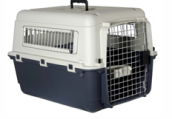
After thousands of journeys, we trust the "Karlie" transport boxes (sold in the UK and across Europe). In other regions, they may appear under brands like "Triol" — they’re strong, well-ventilated, and built for real travel.

🐶 Special note for short-nosed breeds

If you have a brachycephalic (short-muzzled) breed — such as a French Bulldog, Pug or Persian cat — choose a crate one size larger than standard. These animals require extra airflow and space, especially on longer trips or flights.

Expert Advice: Preparing Your Pet for Air Travel

Pet Travel in the Aircraft Cabin — What You Need to Prepare

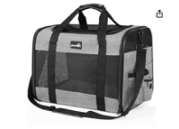
Soft Carrier

  • The carrier must be soft-sided with a rigid bottom and a maximum height of 28 cm.
  • If your carrier is taller, inform us 2–3 days before the flight.

Disposable Pads

  • Bring 2–3 absorbent pads for the journey.

Feeding Before Flight

  • Feed your pet 10–12 hours prior to the trip.
  • Important: If sending food, portion it into small containers (~60% of a standard meal). Wet food should be in sealed packets.

Collar and Harness

  • Dogs: Collar is mandatory.
  • All cats and pets under 5 kg must travel with a harness.

Leash

  • Not required but can be placed in the carrier’s side pocket if needed.
  • If you don’t have a harness, let us know — we may be able to provide one.

Harness for Cats (When Required)

  • If the cat is fearful or dislikes being held.
  • Border inspection may require removing the cat from the carrier. A harness prevents escape and keeps them safe.

Pet Travel in the Aircraft Baggage Hold — What to Prepare

Suitable for dogs up to 45 kg, including the carrier's weight. Some airlines charge higher fees for dogs weighing 22–45 kg.

IATA-Approved Carrier with Bolts

  • Snap-lock carriers are not allowed.
  • A water bowl must be attached to the carrier door — insist on it even if the courier says otherwise.

No Wheels on Carrier

Wheels must be removed before handing the carrier to the courier.

Comfort Items

Include familiar bedding or a mat with your pet’s scent. Toys are optional.

Feeding and Toilet

  • Feed your pet no later than 10 hours before the flight.
  • Ensure they use the toilet and tell the courier the result.
  • We will feed your pet after airport pickup.

Pre-flight Walk and Litter Box

  • Walk dogs or provide a litter box for cats 30–60 minutes before handover.
  • Important: A clean box prevents stress during flight.

Collar and Leash

  • All adult dogs (including small breeds) must wear a collar.
  • If a leash is included, secure it to the carrier.

📤 Share this page with your friends! 🧑‍🤝‍🧑

Email   |   WhatsApp   |   Telegram   |   Reddit